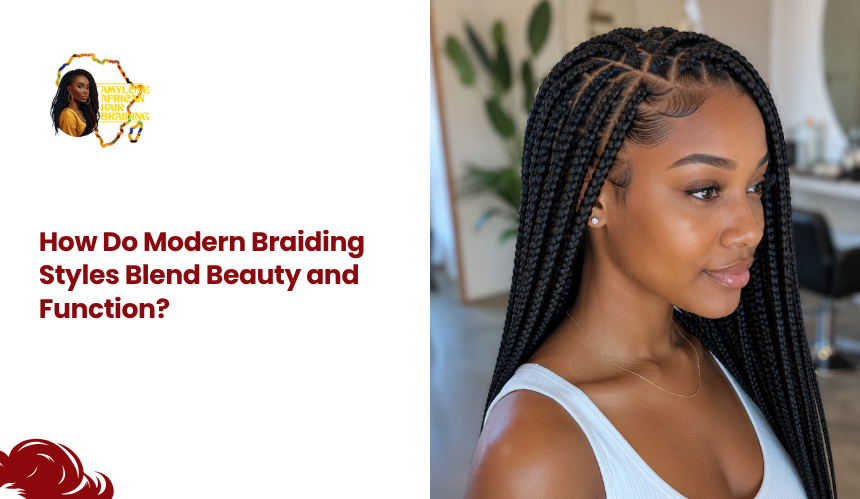
How Do Modern Braiding Styles Blend Beauty and Function?
Key Takeaways
|
Modern braiding has become a powerful expression of style, confidence, and everyday practicality. What once may have been viewed as simply a hairstyle now carries a stronger role in how people present themselves, manage their look, and embrace versatility with ease.
Today’s braiding trends reflect a smart balance between appearance and purpose, making them relevant for people who want beauty that feels intentional, wearable, and modern.
Why Modern Braiding Styles Are More Than Aesthetic Choices
Modern braiding styles are no longer viewed only as decorative hairstyles. They combine visual identity, hair protection, and everyday manageability, making them useful for people who want style without constant daily manipulation.
Braids As Personal Style Expression
Braids give people control over how their hair communicates personality, preference, and presentation. Modern styles use clean parting patterns, braid size, length, color placement, and finishing details to create looks that feel intentional rather than basic.
A person may choose long knotless braids for a soft, flowing appearance, structured cornrows for a sharp and defined look, or goddess braids with curled ends for added texture. Accessories such as beads, cuffs, wraps, and highlighted extensions add another layer of customization without changing the natural hair itself.
This makes braiding highly adaptable. The same technique can look minimal, bold, elegant, or creative depending on the design choices.
Braids As Functional Hair Protection
Braids also serve a practical purpose by limiting repeated brushing, heat styling, detangling, and product buildup. Less daily handling can reduce stress on the hair shaft, especially around fragile ends and high-tension areas.
When installed with proper tension, braids help keep strands organized and protected for a set wear period. This can support length retention by reducing friction, tangling, and unnecessary breakage caused by frequent styling.
The functional value depends on technique. Braids that are too tight may strain the scalp and edges, while well-balanced installations protect the hair without creating discomfort or traction stress.
Do You Know? PubMed notes that traction alopecia is strongly linked to repeated pulling hairstyles. One study reported traction alopecia in 17.1% of African schoolgirls and 31.7% of adult women, showing why protective styles should never rely on tight installation for durability. |
Beauty And Function Working Together
The strongest modern braid styles work because they do not force a choice between appearance and practicality. A polished braid pattern can frame the face, enhance personal style, and still allow easier scalp access, simpler maintenance, and longer-lasting wear.
This balance is what makes braids especially effective as modern protective hairstyles. They offer a finished look while reducing daily styling pressure, making them useful for people who want beauty that supports comfort, routine, and hair care goals at the same time.
How Protective Benefits Make Braids Practical For Everyday Wear
Protective braiding becomes useful when it lowers the amount of mechanical and environmental pressure placed on the hair between wash days. Its everyday value comes from creating a controlled style that keeps the hair arranged, easier to manage, and less exposed to avoidable styling damage.
How Do Braids Reduce Styling Strain?
Braided hairstyles reduce the need for frequent blow-drying, straightening, curling, combing, and section-by-section restyling. This matters because thermal exposure can dry the cuticle, while excessive tool contact may create weak points along the strand.
A set braid pattern also limits the need for heavy gels, sprays, creams, and repeated product layering. When hair requires fewer styling resets, there is less buildup sitting on the scalp and fewer cleansing disruptions caused by trying to correct frizz or reshape the style too often.
| Do You Know? Consumer Reports tested 10 synthetic braiding hair products and found potentially harmful chemicals in all of them. The findings included lead in 9 out of 10 products, making hair extension quality an important part of braid safety. |
How Can Braids Support Stronger Hair Retention?
Braids can support stronger hair retention by lowering friction from clothing, pillows, hands, and styling tools. When strands stay grouped in an organized formation, they are less likely to knot, snag, or split during normal movement.
The benefit depends on installation pressure and wear duration. A braid should feel secure without pulling at the root area. If the style creates soreness, raised bumps, or tightness around the hairline, the protective effect is compromised because stress is being transferred directly to the follicle area.
Why Does Scalp Access Matter During Braid Wear?
Clean sectioning creates visible pathways to the scalp, which makes upkeep more controlled during the wear period. This allows light cleansing, targeted hydration, and oil-free moisture application without disturbing the full style.
A breathable braid setup also reduces trapped sweat, debris, and residue near the roots. For healthy wear, the scalp needs enough access for care, while the braid structure should remain stable enough to avoid unnecessary loosening, itching, or early takedown.
What Design Features Make Modern Braids Visually Versatile
Modern braid design is highly visual because small technical choices can change the entire finish of a style. Scale, spacing, shape, texture, and finishing details determine whether the final look appears sleek, soft, bold, minimal, or highly decorative.
How Do Length, Size, And Pattern Change The Final Look?
Length controls the overall silhouette of a braided style. Shorter braids can create a neat, lightweight finish, while waist-length or extended braids create stronger visual movement and a more dramatic profile.
Braid size also changes the design result. Box braids create a structured grid effect, micro braids offer a more detailed and flexible appearance, and larger braids create a fuller, more defined shape. Knotless braids often produce a flatter root finish, while feed-in braids allow the braid to build gradually from the scalp for a smoother visual transition.
Pattern choice adds another layer of design control. Cornrows can follow straight rows, curved lines, stitched sections, or geometric layouts, while goddess braids often use larger sections for a more sculpted result.
How Do Texture Blending And Soft Finishes Affect Braid Style?
Texture blending changes the visual weight of braids by adding contrast between braided structure and loose movement. Curled ends, wave patterns, and soft extensions can make the style appear less rigid while still keeping the overall design defined.
Boho braids use loose strands throughout the style to create a more relaxed finish. Layered braid patterns can also create depth by mixing braid thickness, direction, or spacing. This gives the hairstyle dimension instead of a flat, uniform appearance.
Soft finishes are especially useful when the goal is a more natural, romantic, or lightweight look. They reduce visual heaviness and make the braid design feel more fluid.
Near the welcoming neighborhoods around South Hill and the lively areas near downtown Puyallup, goddess braids have become a stylish option for people who want a softer and more elegant braided look.
The combination of defined braids with curled or wavy ends gives the style extra movement while still keeping hair manageable for everyday routines. Whether spending time near Bradley Lake Park or visiting the shops along Meridian Avenue, many people choose goddess braids because they balance beauty, versatility, and comfort in a way that feels modern yet easy to maintain.
How Can Color, Details, And Styling Options Personalize Braids?
Color transforms braid design by adding contrast, depth, or brightness. Highlights can frame the face, ombré extensions can create a gradual shift from dark to light, and blended tones can make the style look more dimensional without requiring permanent hair color.
Decorative details refine the final presentation. Beads, cuffs, thread wraps, and metallic accents can make braids feel more cultural, playful, elegant, or statement-driven depending on placement and quantity.
Styling flexibility adds even more variation after installation. Braids can be shaped into buns, ponytails, half-up styles, side parts, crowns, or formal updos, allowing one braided look to support multiple appearances without changing the base design.
Near the community spaces around South Hill and the active shopping areas near Meridian Avenue, Fulani braids are another popular choice for people who want a hairstyle that feels detailed, stylish, and versatile at the same time.
The signature braided patterns, center parting, and decorative touches like beads or cuffs give the style a more personalized appearance while still keeping hair manageable for everyday routines. Whether spending time near Bradley Lake Park or heading through downtown Puyallup, many people choose Fulani braids because they combine cultural-inspired beauty with practical long-lasting wear and modern styling flexibility.
How Braiding Styles Support Different Lifestyles And Occasions
A hairstyle becomes more useful when it fits the wearer’s schedule, environment, and presentation needs without constant adjustment. Braiding works well across different routines because the structure can be selected based on time demands, activity level, and setting.
Why Do Braids Work For Busy Routines?
Braids appeal to people with packed schedules because the hair is already arranged into a defined shape after installation. Instead of rebuilding the look every morning, the wearer can refresh edges, smooth flyaways, or adjust the placement in a few minutes.
This makes braiding practical for students, professionals, parents, and service-based workers who need a neat appearance without a lengthy grooming process. The saved time is not only about convenience. It also reduces decision fatigue because the hairstyle remains consistent across multiple days.
For people managing early work hours, long commutes, or back-to-back responsibilities, braids create a reliable baseline look. The hair stays organized enough to support a clean appearance with minimal intervention.
How Do Braids Perform During Active Days?
Secure braid layouts are useful for movement-heavy routines because they keep hair contained during exercise, errands, outdoor plans, and travel. A well-selected braid style can reduce constant repositioning when someone is walking, training, packing, commuting, or spending time in warm conditions.
Humidity and sweat can make loose hairstyles expand, collapse, or lose shape faster. Braids offer more control because the structure holds the hair in place and reduces the need for mid-day correction.
For travel, braids are especially efficient because they limit the number of tools and products needed in a bag. This makes them suitable for vacations, work trips, festivals, and long days where access to full styling equipment is limited.
How Can Braids Shift From Casual To Formal Settings?
Braids can adapt to different settings by changing how the finished style is arranged. A loose placement can feel relaxed for daytime plans, while a lifted shape, tucked finish, or face-framing layout can create a more refined result for professional or social environments.
For workplace settings, cleaner parting, controlled edges, and balanced volume can support a composed appearance without making the style feel overdone. For events, decorative pins, cuffs, soft curls, or an elevated gathered shape can make the same base style feel more occasion-ready.
This range makes braids useful for people who move between casual routines, office expectations, dinners, celebrations, and formal gatherings. One installation can serve multiple presentation needs when the structure allows flexible styling.
What Makes A Braiding Style Both Comfortable And Long-Lasting
Comfort and durability depend on how well the style matches the wearer’s hair condition before installation. A braid that looks finished on day one can fail early if weight, grip, base sizing, or care habits are not aligned.
Do You Know? A 2025 study in North Sudan found traction alopecia in 25% of women studied. PMC / NIH reported signs included hair breakage, scalp tenderness, and pain or sensitivity, showing why discomfort during braid wear should be treated as a warning signal. |
How Does Tension Control Affect Comfort And Longevity?
Tension control determines whether a braid rests securely or places excess pull on the scalp. Low-tension braiding distributes pressure more evenly across each section, which lowers the risk of tenderness, edge strain, and traction-related irritation.
Overly firm grip can also shorten the style’s lifespan. When the base is pulled too aggressively, the scalp may react with flaking, sensitivity, or small areas of inflammation. That reaction can lead to early fuzzing because the wearer may rub, scratch, or loosen sections for relief.
A comfortable braid should feel stable without creating a stretched sensation around the roots. This balance allows the style to hold its shape while keeping the scalp relaxed enough for extended wear.
Why Do Hair Type And Scalp Condition Matter?
Hair density, strand thickness, curl pattern, and natural volume all affect which braid style will perform best. Fine hair may need smaller, lighter sections to avoid excess weight, while dense hair may require more precise parting to prevent bulky roots.
Curl pattern also changes how the hair behaves inside the braid. Tighter textures may hold braided formations more firmly, while looser textures may need stronger product control or a different braid size to reduce slippage.
Scalp condition should guide the installation plan as well. A sensitive, dry, or irritated scalp may not tolerate heavy extensions, narrow parting, or prolonged wear. Hair length matters too because very short strands may need a different grip method to prevent unraveling.
How Do Installation Quality And Aftercare Extend Wear Time?
Installation quality starts with consistent part sizing, balanced extension placement, and secure finishing. Uneven sections can create pressure points, while oversized added hair can weigh down the base and distort the final result.
Aftercare protects the style from moisture loss, friction, and root disruption. A satin scarf, bonnet, or pillowcase reduces surface rubbing during sleep, while light scalp misting or water-based hydration keeps the area from feeling dry.
Touch-ups also extend the usable life of the hairstyle. Refreshing the perimeter, smoothing new growth, or correcting loose pieces at the right time can keep the braids presentable without requiring a full reinstall too soon.
How To Choose A Modern Braid Style That Balances Beauty And Function
The selection should begin with the style’s intended purpose rather than the reference image alone. A stronger choice considers the expected wear period, maintenance capacity, and hair condition after takedown without reducing visual impact.
How Should The Planned Wear Period Shape The Style?
Occasion-focused braid looks can carry more detailed styling elements, fuller volume, and a stronger statement finish because they are designed for a shorter use window. Since they are not expected to hold for several weeks, free-flowing accent pieces or more delicate finishing choices can be easier to manage.
Multi-week braid installations need a stable design framework. Moderate extension load, easy-to-handle length, and a lower-maintenance finish usually hold up better because they require less correction and reduce the chance of premature removal.
The key factor is intended duration. A temporary look can allow more creative detail, while a longer-use style should stay manageable, balanced in weight, and gentle on the root area.
How Should Real-Life Demands Guide The Final Style?
The final braid choice should reflect the wearer’s real-world schedule before copying an inspiration image. Someone with an active schedule may need a lower-volume braid layout, while someone who prefers a bolder visual effect may choose extra length or larger proportions.
Daily habits should guide the final choice:
- Choose reduced section scale when active use or an extended wear period is expected.
- Choose easy-to-handle length when cleansing, rest, and daily handling matter most.
- Choose a cleaner surface finish when the wearer wants fewer refresh sessions.
- Choose delicate accents only when extra maintenance is realistic.
This makes the style realistic beyond the salon chair instead of only appealing at the first reveal.
Why Should Hair-Safe Braid Planning Come Before Photo-Inspired Appeal?
A popular look only works when the scalp and strands can handle the design. If the style creates root strain, excess weight, scalp irritation, or hairline pressure, it can lead to avoidable breakage before the planned wear period is complete.
Hair-safe braid planning should support the real hair beneath the installed style. That means choosing the right section scale, sectioning map, extension load, and final styling method based on strand tolerance rather than forcing a trend onto unsuitable hair conditions.
The strongest modern braid choice should meet three standards at once: it should appear polished, wear without strain, and leave the hair in better condition after takedown.
For anyone looking for braids that feel stylish, comfortable, and thoughtfully installed, AmyLove offers a modern approach to protective styling that balances beauty with everyday wear. From knotless braids and goddess braids to Fulani-inspired looks, the focus stays on clean technique, flattering finishes, and styles that support confidence without unnecessary tension. Reach out today to explore a braid style that fits your look, routine, and hair-care goals.
Frequently Asked Quetions
How long should someone wait before getting braids again?
A short break between braid installs gives the scalp and hairline time to recover from added weight, sectioning pressure, and styling products. Many people benefit from at least a few weeks of low-tension styling, deep conditioning, and scalp care before another long braid installation.
What is the best braid style for someone getting braids for the first time?
Knotless braids are often a beginner-friendly option because they usually feel lighter at the roots and create a more natural-looking base. First-time wearers may also prefer medium-sized braids because they are easier to manage than micro braids and less heavy than oversized styles.
How can someone tell if braids are too tight?
Braids may be too tight if the scalp feels painful, bumps appear near the hairline, the skin looks shiny or pulled, or headaches start after installation. Mild awareness of a new style is normal, but soreness, burning, or difficulty moving the brows or neck should not be ignored.
Are goddess braids better than regular braids for a softer look?
Goddess braids are a strong choice for people who want a softer finish because they often include curled or wavy loose pieces. They create more movement than fully braided styles, but they may need more care since exposed curls can tangle, frizz, or lose shape faster.
Can braids damage edges even if they look neat?
Neat braids can still affect edges if the sections are too small, extensions are too heavy, or the hairline is pulled tightly. Edge damage often starts gradually, so early signs like thinning, tenderness, tiny bumps, or broken hairs around the temples should be taken seriously.
What should someone ask a braider before booking an appointment?
A client should ask about braid size, extension weight, expected wear time, scalp preparation, takedown advice, and whether the style can be adjusted for sensitive edges. These questions help confirm whether the stylist prioritizes both appearance and hair health, not just the final look.