
Fulani Braids in Tacoma

Distinctive Fulani braids shaped with detailed parting, cultural braid patterns, and protective styling designed for comfort and expression. 

What Makes Fulani Braids One Of The Most Recognizable African Braid Styles?

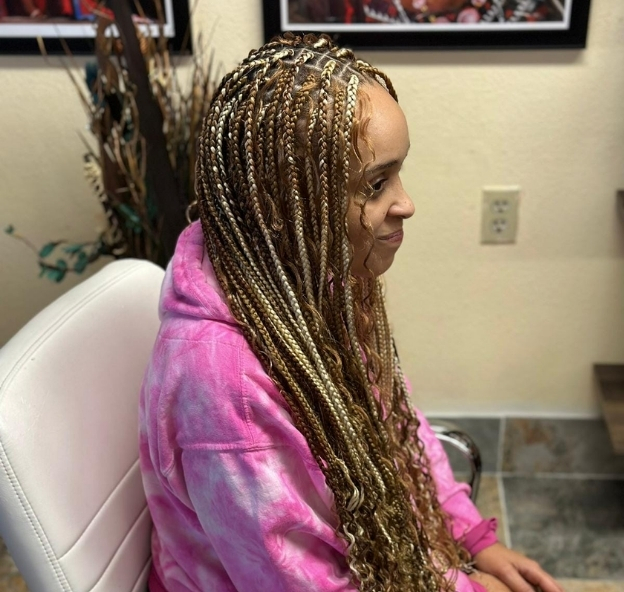
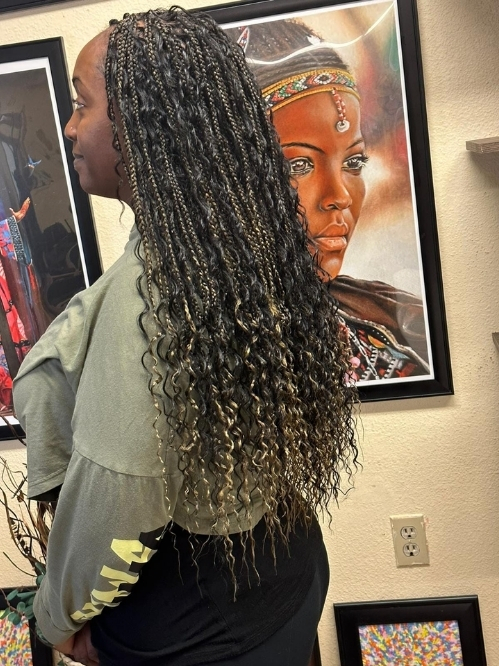
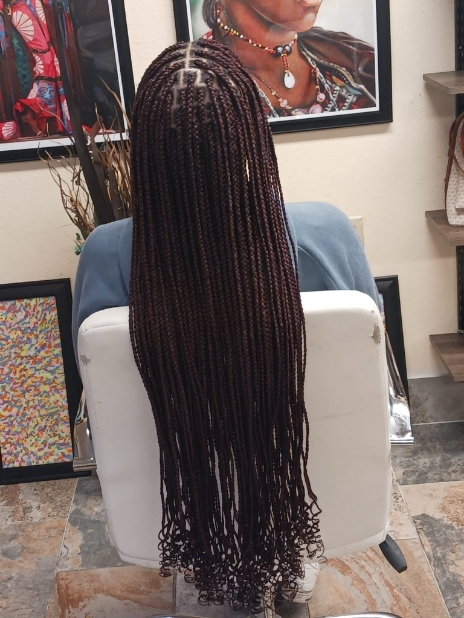
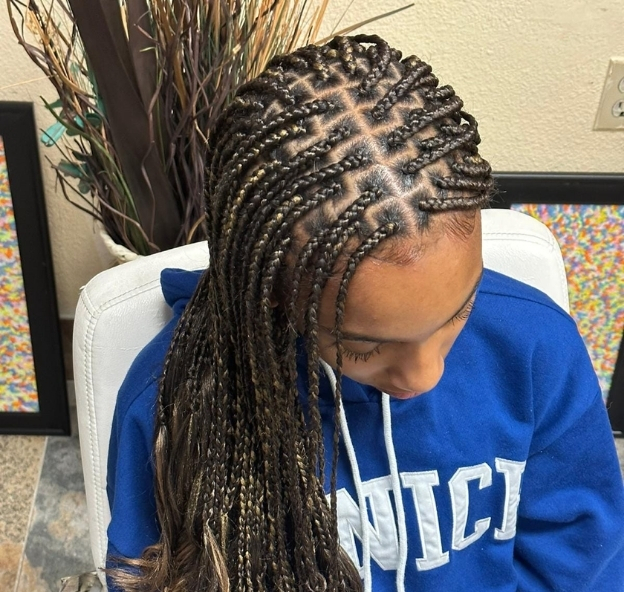
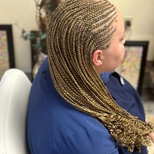
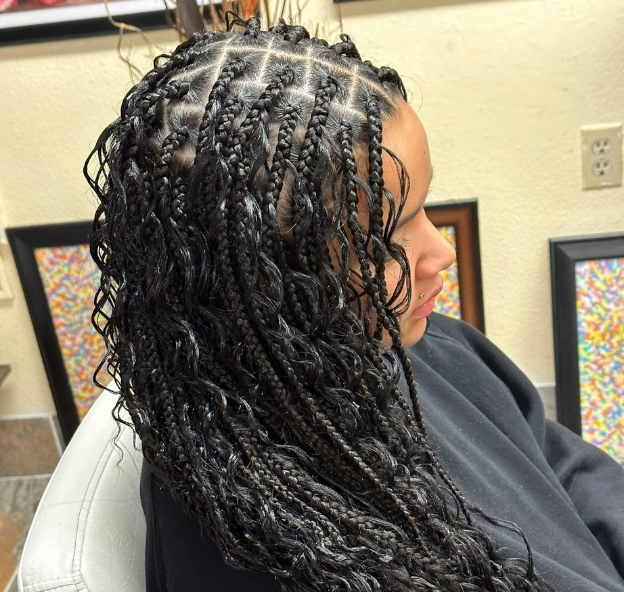
Fulani braids are known for their striking patterns and cultural heritage. Traditionally, the style features a center braid or detailed parting pattern combined with flowing side braids. The result is a braided hairstyle that blends cultural braid traditions with modern styling creativity.
At AmyLove African Hair Braiding, Fulani braids are installed using careful sectioning and balanced feed-in techniques. The braid pattern is designed to sit comfortably on the scalp while highlighting the intricate structure that makes Fulani braids so distinctive.

Which Fulani Braid Design Fits Your Style?

Fulani braids can be customized by braid size, parting patterns, and decorative details that highlight the style’s unique structure.

Traditional Fulani Braids

Traditional Fulani braids follow classic braid patterns inspired by West African cultural braiding traditions. The braid structure emphasizes symmetry and the distinctive placement of the center braid.

Tribal Fulani Braids

Tribal Fulani braids highlight detailed braid parting and creative braid patterns that shape the overall hairstyle. The braid design becomes a visual centerpiece of the style.

Center Part Fulani Braids

Center part Fulani braids create a symmetrical braid pattern that begins with a defined center braid and flows into structured side braids.

Side Part Fulani Braids

Side-parted Fulani braids create a slightly asymmetrical look that adds movement and dimension to the braid pattern while maintaining the recognizable Fulani structure.

Fulani Styles That Blend Culture And Creativity

Each Fulani braid design combines detailed parting patterns with extensions or decorative elements to create expressive braided hairstyles.

Beaded Braids

Fulani braids with beads highlight the cultural heritage of this style. The beads add visual rhythm and movement while emphasizing the structured braid pattern.

Small Styles

Small Fulani braids create intricate braid patterns that highlight the detail of the parting design. This option works well for clients who appreciate more delicate braid structures.

Curly Ends

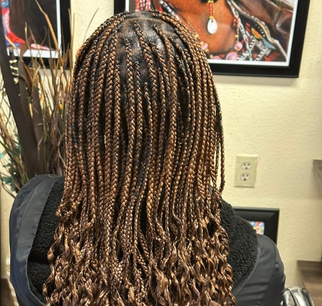
Fulani braids with curls blend defined braid structure with soft curly ends. This combination adds texture and creates a modern interpretation of the classic braid design.

Feed In

Feed-in Fulani braids gradually incorporate extensions into the braid structure. This technique allows the braids to grow naturally from the scalp while maintaining a lightweight feel.

Jumbo Styles

Jumbo Fulani braids feature bold sections that accentuate the overall pattern. The thicker braid structure creates a statement hairstyle while remaining comfortable to wear.

Our Protective Styling Philosophy

Our braiding approach focuses on braid structure and scalp comfort, so protective braid styles maintain their shape while supporting healthy hair.

Why Do Fulani Braids Stand Out Among Protective Styles?

Detailed Parting

Fulani braids begin with intricate sectioning that forms the signature braid pattern. Clean parting allows the braid structure to remain visually balanced.

Cultural Roots

The Fulani braid style carries cultural significance rooted in African braiding traditions, making it both expressive and meaningful.

Balanced Tension

Our braiders focus on gentle tension so the braids remain secure while still feeling comfortable on the scalp.

Decorative Elements

Beads, curls, or extensions can be incorporated to enhance the braid pattern and personalize the final hairstyle.

Hair Protection

Fulani braids serve as protective styles, keeping natural hair tucked within the braids while reducing daily styling stress.

Custom Patterns

Every Fulani braid style can be adjusted through braid size, braid direction, and parting patterns to create a unique look.

Areas We Serve

Fulani Braiding Appointments Available In Tacoma

Our braiding salon in Tacoma welcomes clients seeking African braid styles featuring detailed patterns and cultural design inspiration.
Many visitors choose Fulani braids because they combine protective styling with distinctive braid patterns that highlight the artistry of braiding.

Our Work Process

How Fulani Braids Are Styled

Style Consultation

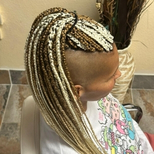
Each appointment begins with a conversation about braid size, parting design, and decorative elements such as beads or curls.
01

Precision Braiding

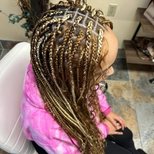
During installation, each braid is shaped using detailed sectioning and a gradual feed-in technique to create the Fulani braid pattern.
02

Final Styling

Once braiding is complete, decorative elements and finishing touches are added to highlight the braid design and create a polished appearance.
03

Testimonials

Experiences Shared From Our Braiding Chair

Frequently Asked Questions

Fulani braids are known for their distinctive parting patterns and signature center braid. The style often includes side braids and decorative elements such as beads, creating a braid pattern that reflects traditional African braiding designs.
Fulani braids generally remain neat for three to five weeks, depending on braid size and hair care routine. Maintaining a clean scalp and protecting the braids overnight can help preserve the braid pattern.
Fulani braids can be customized through braid size, parting patterns, and decorative additions such as beads or curls. This flexibility allows the braid design to reflect individual style preferences.
Fulani braids work well for natural hair because they function as a protective hairstyle that keeps strands braided and reduces daily manipulation.
Fulani braids can be created using natural hair alone or with extensions to add length and fullness. Extensions also help shape the braid pattern and enhance the overall design.

Ready For Fulani Braids That Showcase Culture And Style?

Book your Fulani braiding appointment and experience a braided hairstyle designed with detailed parting, cultural inspiration, and protective structure.