How to Choose the Best Braiding Salon in Washington, DC
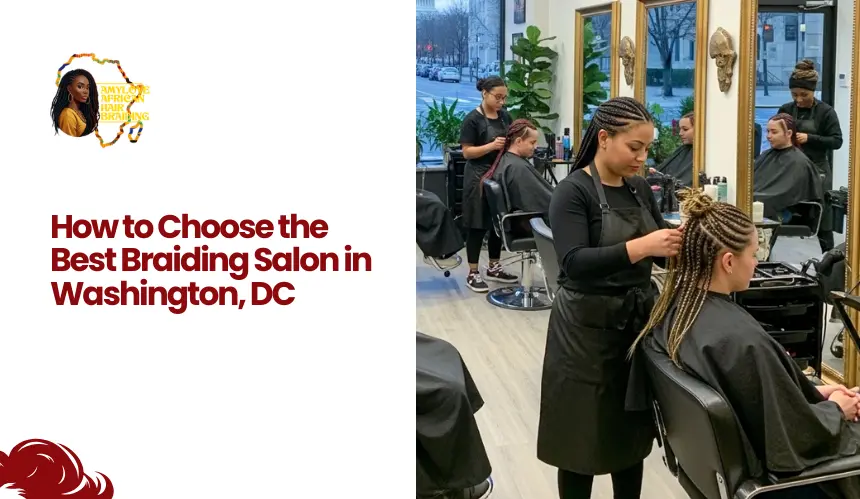
A Quick answer: Choosing the best braiding salon comes down to a few practical steps: confirm the braiders’ hands-on experience, check whether the salon specializes in the styles you want, assess how they handle scalp tension and hair care, review real client photos and feedback, and make sure pricing and time expectations are clearly explained before booking. |
Did you know? Washington, DC has an estimated 702,250 residents (2024) and a density of about 11,280 people per square mile, which naturally creates high day-to-day demand for appointment-based services like braiding.
Finding the right braiding salon is not just about getting a style that looks good on day one. It is about protecting your hairline, avoiding unnecessary scalp stress, and leaving with braids that hold up comfortably over time.
This guide walks through the exact factors that matter when choosing a braiding salon, focusing on skill, care practices, transparency, and consistency.
Understanding What Makes a Braiding Salon “The Best”
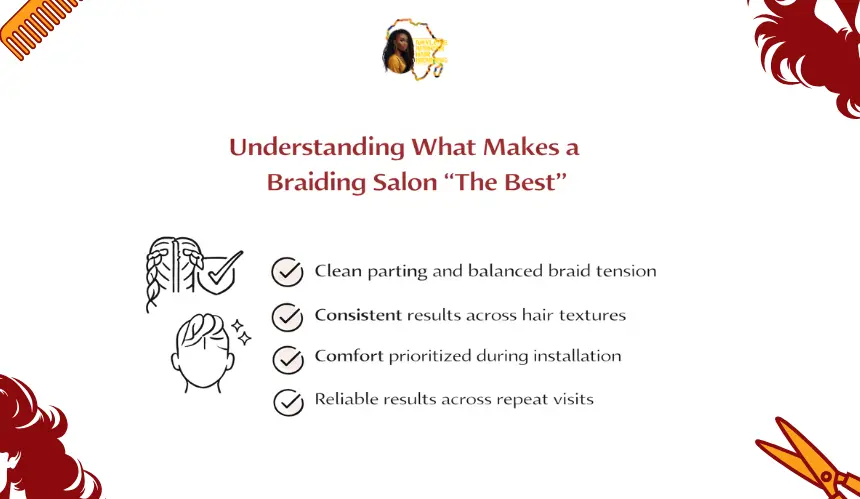
Before comparing salons, it helps to define what “best” actually means in practical terms. A high-quality braiding salon is judged by consistency, technique, and care rather than popularity or price. Clean parting, balanced tension, and predictable results across different hair types are the core indicators of professional braiding standards.
In a city like Washington, DC, where many salons serve high daily demand, price and busyness can be misleading. Some locations move quickly to keep up with volume, which may compromise comfort or long-term hair health. Strong salons balance efficiency with control, taking the time needed to protect the scalp and hairline.
What ultimately separates top salons from average ones is consistency. Clients should be able to return months later for the same style and receive similar neatness, comfort, and durability. This reliability usually reflects structured techniques and clear internal standards rather than one-off skill or trend-driven styling.
Did you know? Census QuickFacts estimates 43.4% of DC residents identify as Black alone, which helps explain why skilled protective styling and African hair braiding remain a consistent, year-round service need across the city. |
Step 1: Evaluating Braider Experience and Technique
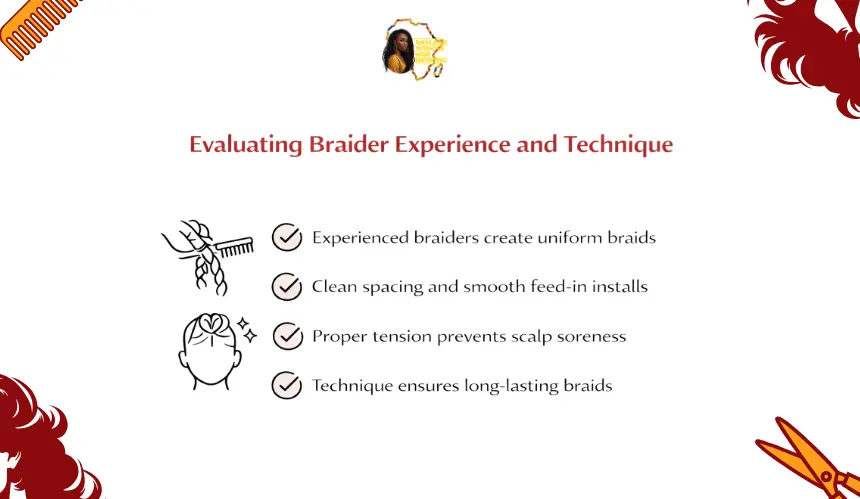
Once quality standards are clear, the next step is assessing the actual skill level of the braiders. Experience and technique directly influence how braids feel, how long they last, and how well the natural hair holds up after removal.
How Hands-On Braiding Experience Affects Results
Experienced braiders develop control that cannot be replicated through speed alone. Years of daily braiding refine parting accuracy, tension balance, and braid uniformity across different hair textures. Salons with seasoned braiders often attract repeat clients in Columbia Heights and Petworth, where word-of-mouth is driven by comfort and durability rather than style trends.
What Proper Technique Looks Like in Practice
Strong technique shows up in small details that are easy to overlook at first glance. Even spacing, smooth feed-ins, and consistent braid thickness indicate control and planning rather than rushed work. These technical markers are especially noticeable when braids grow out evenly instead of loosening unevenly within the first week.
Why Technique Matters More Than Speed
Fast installs are appealing, but speed without control often leads to scalp soreness or premature frizz. In busier parts of Washington, DC, such as U Street, salons that emphasize technique over pace tend to retain clients longer because the braids remain comfortable and intact well past the initial install period.
Step 2: Reviewing Style Specialization and Service Range

After evaluating technique, the next practical step is confirming whether a salon truly specializes in the braiding styles you want. Not every braiding salon delivers the same level of precision across all styles, and specialization often matters more than offering a long service list. Choosing a salon aligned with your specific style goal reduces the risk of compromise.
How Style Specialization Affects Final Results
Salons that focus on a defined set of braiding styles tend to execute them with better structure and consistency. For example, salons near Georgia Avenue often see repeat demand for knotless braids and feed-in cornrows, which has pushed experienced braiders in those areas to refine clean parting and lightweight installs rather than experimenting broadly. Specialization usually results in neater finishes and more predictable outcomes.
Matching Salon Strengths to Your Desired Look
Some salons are known for intricate cornrow patterns, while others excel at box braids or bohemian styles that require controlled tension and layering. In areas like Capitol Hill, where professional and event-ready styles are commonly requested, salons often prioritize polished, low-maintenance looks that hold shape for weeks.
Broad Service Lists Can Be a Red Flag
A menu packed with every possible braiding option does not always signal expertise. In parts of Washington, DC, with heavy foot traffic, some salons list numerous styles to attract walk-ins, even if execution varies by braider. Focused service ranges usually indicate deeper skill and clearer internal standards.
Step 3: Assessing Hair Care Practices and Scalp Safety
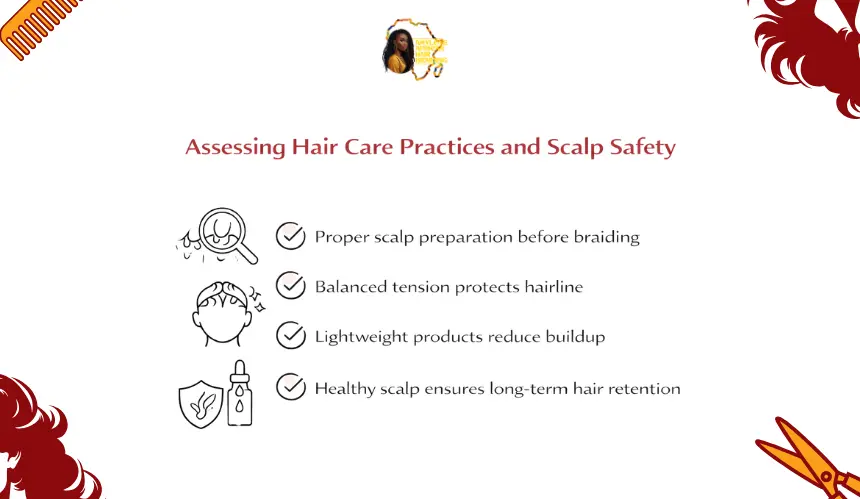
Once style compatibility is clear, attention should shift to how a salon protects the scalp and natural hair during braiding. Hair care practices directly affect comfort during the install and determine whether braids support retention or cause avoidable stress. This factor is often overlooked until discomfort appears, which makes early evaluation important.
Important: A clinical review notes that traction alopecia remains common in communities that wear tight braids, with some sources estimating that about one-third of women of African descent may be affected. This is why tension checks matter as much as neatness |
How Scalp Preparation Signals Professional Care
Strong braiding salons pay attention to scalp condition before braiding begins. This includes gentle detangling, proper sectioning, and awareness of dryness or sensitivity.
In neighborhoods like Brookland, where many clients maintain long-term protective styling routines, salons that emphasize scalp readiness tend to build loyal followings because braids feel comfortable from day one.
Why Tension Management Matters More Than Tightness
Proper tension keeps braids secure without pulling at the hairline or causing soreness. Excessive tightness is not a sign of durability and often leads to irritation or breakage.
Skilled braiders in Washington, DC, adjust tension based on hair density and scalp sensitivity rather than applying a fixed approach to every client.
Product Use and Hairline Protection Practices
The products used during braiding influence both comfort and long-term results. Lightweight moisturizers, minimal buildup, and careful handling around edges help preserve the hairline.
Salons that prioritize these details usually focus on hair health alongside appearance, which becomes especially important for clients who braid consistently throughout the year.
Step 4: Accessing Cleanliness, Organization, and Professional Environment

Beyond technique and hair care, the physical environment of a braiding salon offers clear signals about professionalism. Cleanliness and organization affect more than comfort. They influence hygiene, efficiency, and how seriously a salon takes client well-being.
How Salon Cleanliness Reflects Professional Standards
A clean workspace shows that a salon follows disciplined routines, not shortcuts. Sanitized tools, fresh towels, and orderly stations reduce the risk of irritation and cross-contamination.
In areas like Dupont Circle, where clients often compare salons closely, well-maintained spaces tend to stand out because they signal care beyond the hairstyle itself.
Why Organization Impacts Appointment Flow
An organized salon runs smoother appointments with fewer delays and less confusion. Clear workstations, labeled supplies, and structured scheduling help braiders stay focused on technique rather than scrambling for tools. Salons near steady foot traffic areas rely heavily on organization to maintain consistent service without rushing clients.
What the Overall Environment Tells You Before You Sit Down
The way a salon feels when you walk in often previews the experience. Calm, structured environments usually reflect clear internal processes and respect for client time. In Washington, DC, salons that maintain this balance tend to attract clients who value reliability and professionalism as much as appearance.
Step 5: Pricing Transparency and Time Expectations
Once the salon environment checks out, the next decision point is understanding how pricing and time are handled. Clear communication in these areas prevents frustration and helps clients plan properly. Professional braiding salons set expectations early rather than explaining details halfway through an appointment.
How Transparent Pricing Builds Trust
Reliable salons explain pricing based on measurable factors such as braid size, length, hair density, and style complexity. This clarity allows clients to decide confidently before sitting down.
In areas like Capitol Riverfront, where many clients book around work schedules or events, upfront pricing helps avoid last-minute adjustments or misunderstandings.
Why Time Estimates Matter as Much as Cost
Braiding is time-intensive, and realistic estimates protect both the client and the braider. Accurate timeframes reflect planning, experience, and respect for scheduling. Salons that consistently underestimate session length often rush later stages of the install, which can affect comfort and finish quality.
Signs a Salon Manages Expectations Well
Clear appointment confirmations, defined start times, and honest duration ranges indicate organized service. In Washington, DC, salons that handle time and pricing transparently tend to retain clients who value predictability as much as style results.
Pro tip: The average mean travel time to work in DC is about 30 minutes, so a braiding appointment is often a half-day plan once transit, arrival time, and install duration are factored in. |
Step 6: Using Reviews, Photos, and Local Reputation Correctly
After pricing and timing are clear, the next reliable signals come from how a salon is represented by past clients. Reviews, photos, and local reputation help validate claims made by the salon, but only when interpreted carefully.
How To Read Reviews For Practical Insight
Strong reviews describe comfort, durability, and consistency rather than vague praise. Look for patterns that mention tension control, cleanliness, and how braids held up after the first week.
In Adams Morgan, where salons serve a mix of long-term residents and first-time visitors, detailed reviews often reveal whether quality stays consistent across different braiders.
What Portfolio Photos Actually Reveal
Photos should show clear parting, even braid size, and natural-looking finishes rather than heavy editing or angled shots. Consistent lighting and multiple client examples signal confidence in repeatable results.
Salons near Logan Circle often update portfolios frequently, which helps clients assess whether recent work matches their expectations.
Why Local Reputation Carries More Weight Than Hype
A salon’s standing within its immediate area often reflects long-term performance. Word-of-mouth referrals, repeat bookings, and steady visibility in Washington, DC communities usually indicate reliability beyond online promotion. Local reputation grows slowly, which makes it harder to fake and more valuable when choosing where to book.
Step 7: Evaluating Location Convenience Without Sacrificing Quality
Location plays a role in the decision, but it should support quality rather than replace it. The goal is to choose a salon that fits into daily routines without compromising technique, comfort, or consistency. Convenience matters most when it reduces friction around scheduling and follow-up, not when it becomes the deciding factor.
When Proximity Actually Adds Value
Salons located near major transit corridors or walkable areas can make long appointments easier to manage. For example, salons close to Metro Center benefit clients who rely on multiple train lines, making early starts or late finishes more manageable without rushing the service. Accessibility helps clients arrive on time and stay relaxed throughout the session.
Why Neighborhood Demand Shapes Salon Focus
Different parts of the city often influence how salons operate. In busy areas, many clients balance work schedules and events, salons tend to emphasize punctual starts and predictable timelines. This local demand can encourage better scheduling discipline, which directly affects the overall experience without changing the quality of braiding itself.
Avoiding the “Closest Is Best” Trap
Choosing the nearest salon can backfire if quality standards are inconsistent. In Washington, DC, traveling slightly farther for a salon known for reliable technique often saves time in the long run by avoiding redo appointments or discomfort. Convenience should make good service easier to access, not justify settling for less.
Questions To Ask Before Booking an Appointment
Before confirming an appointment, a few targeted questions can quickly clarify whether a salon is the right fit. These questions focus on technique, comfort, and expectations, helping clients avoid surprises on the day of service.
1. Ask About Technique And Comfort
Ask how the braiders manage tension and whether adjustments are made based on scalp sensitivity or hair density. Clear answers here indicate experience and awareness rather than a one-size-fits-all approach.
2. Ask About Hair Preparation And Products
Confirm whether the salon expects hair to be washed and stretched beforehand or offers preparation in-house. Asking about product use also helps clients avoid heavy buildup or ingredients that may irritate the scalp.
3. Ask About Timing And Style Details
Request a realistic time estimate for the specific style, length, and braid size you want. In Washington, DC, salons that answer these questions clearly tend to run smoother appointments with fewer delays or rushed finishes.
If you’re ready to stop guessing and start booking with confidence, AmyLove African Hair Braiding makes the decision easier. With a focus on proper technique, scalp care, and consistent results, the salon helps clients choose styles that look great and feel comfortable long after the appointment ends.
Frequently Asked Questions
How far in advance should braiding appointments be booked in Washington, DC?
In Washington, DC, many well-reviewed braiding salons fill their schedules one to three weeks ahead, especially during spring, summer, and major event seasons. Booking early gives clients more flexibility with style choice, start times, and preferred braiders.
Do braiding salons typically require a deposit before booking?
Many braiding salons now require a deposit to secure appointments and reduce last-minute cancellations. Deposits are usually applied toward the final cost and signal that the salon manages its schedule professionally rather than relying on walk-ins alone.
Are kids’ braiding services handled differently than adult appointments?
Yes, many salons adjust timing, tension, and style options for children to prioritize comfort and scalp sensitivity. Parents should confirm age-specific experience and estimated duration, as children’s braiding sessions are often planned with extra care and flexibility.
How long should clients wait before washing hair after getting braids?
Most professionals recommend waiting at least seven to ten days before the first wash to allow the style to set properly. This timing helps maintain neatness while reducing frizz and premature loosening, especially for lightweight or knotless styles.
Is it normal for braids to feel tight after installation?
Mild tension during the first day can be normal, but persistent pain, bumps, or headaches are not. Clients should contact the salon promptly if discomfort does not ease, as early adjustments can prevent unnecessary scalp stress or hairline issues.