
What Makes Braided Hairstyles Ideal for All Seasons?
Key Takeaways
|
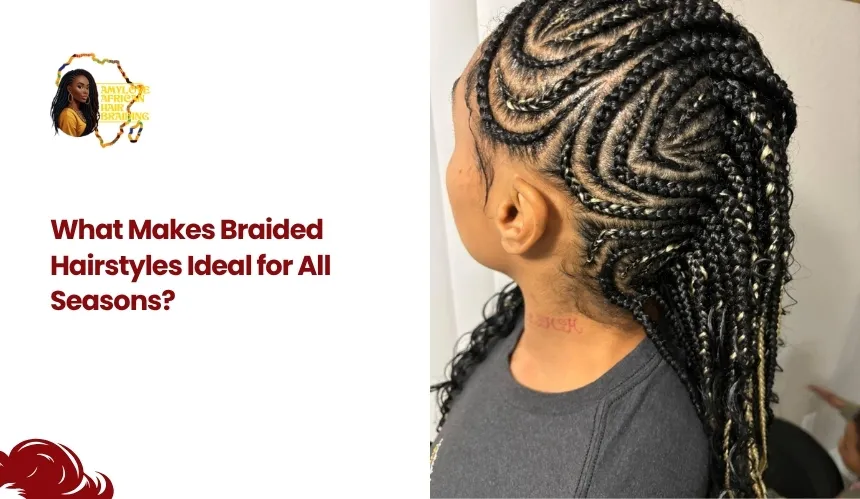
Braided hairstyles have remained a favorite because they fit easily into different routines, personal styles, and everyday needs without feeling limited to one time of year. Their lasting appeal comes from how naturally they combine beauty, convenience, and adaptability in a way that works for many people and occasions. This blog demonstrates why braided hairstyles continue to be a dependable choice across every season.
Why Do Braided Hairstyles Work Well Year-Round?
Braided hairstyles work year-round because they give hair a reliable shape that does not depend on daily restyling. Instead of changing the entire look each season, the braid pattern can remain consistent while the wearer adjusts size, length, and finishing details.
How Do Braids Protect Hair From Daily Manipulation?
Braids limit the repeated brushing, combing, detangling, and heat styling that can weaken the hair shaft over time. When strands are secured in a stable pattern, there is less friction, pulling, and breakage from everyday handling.
This makes braided hairstyles especially useful for people trying to preserve length, protect fragile ends, or reduce stress on textured, curly, or coily hair. The less often hair is restyled, the lower the risk of split ends, shedding from tension, and mechanical damage.
Why Are Braids Considered Low-Maintenance Hairstyles?
Braided styles can stay neat for several days or weeks with the right care, making them efficient for busy routines, school schedules, workdays, workouts, and travel. Instead of rebuilding a hairstyle every morning, the structure is already in place.
This saves time while keeping the overall look consistent. For people who want a style that does not require constant heat tools, product layering, or daily reshaping, braids offer a dependable, low-effort option.
How Do Braids Fit Both Casual And Polished Looks?
How Do Braids Help Protect Hair From Seasonal Weather Changes?
Weather affects hair differently across the year by changing how strands react to moisture, dryness, airflow, and outdoor exposure. Braids reduce direct contact between loose strands and the environment, which helps the hairstyle stay more predictable in changing conditions.
How Do Braids Respond To Summer Humidity And Sweat?
In humid weather, hair can absorb moisture from the air and expand unevenly, especially when it is worn loose. Braids reduce that exposed surface area by grouping strands into a defined pattern, so swelling and frizz are less visible.
Sweat can also disturb styles around the hairline and scalp. Braids make summer wear more practical because the shape does not rely on a freshly smoothed finish, curl pattern, or volume that can collapse in heat.
Do You Know? A study published in the International Journal of Cosmetic Science notes that relaxed hair control samples had 35.3% lower break stress at 80% relative humidity compared with 20% relative humidity. This shows how humidity can affect hair fiber strength and explains why weather-aware styling matters during humid seasons. |
How Do Braids Reduce Winter Dryness And Friction?
Cold air and indoor heating can pull moisture from the hair, leaving strands more prone to roughness, brittleness, and snapping. Braids help reduce direct exposure by keeping the hair grouped together rather than leaving individual strands open to dry air.
Winter accessories can also create rubbing around the hairline, nape, and ends. When hair is braided, there is less loose movement against coats, scarves, collars, and hats, which helps lower friction-related frizz and seasonal breakage.
Why Are Braids Useful In Wind, Rain, And Unpredictable Weather?
Wind can tangle loose hair quickly, especially when strands are long, textured, or already dry. Braided hairstyles reduce uncontrolled movement, so the hair is less likely to knot, separate, or become difficult to manage after being outdoors.
Rain and sudden weather shifts can also disturb styles that rely on smoothness, volume, or curl definition. Braids provide a more secure structure, keeping the hairstyle composed even as conditions change during the day.
Why Do Braided Styles Offer Seasonal Versatility?
Braided styles can be adapted by size, length, installation method, and finish, which makes them suitable for different temperatures, outfits, and personal routines. The same braid category can shift from airy and minimal to fuller and more statement-focused depending on the season.
Which Braided Styles Are Easier To Wear In Warmer Months?
For warmer seasons, the best braid choices are usually lighter in density and simpler in placement. Cornrows, feed-in braids, stitch braids, and knotless braids can reduce excess weight while still offering a finished seasonal look.
The goal is not only comfort, but also practicality. Styles with fewer bulky sections are easier to tie up, refresh after activity, and pair with summer clothing such as open necklines, caps, or casual outdoor outfits.
Around Pine Trails Park and the surrounding residential areas, many people choose knotless braids because the style combines lightweight comfort, scalp protection, and long-lasting wear without excessive tension. In Parkland’s warm climate and active lifestyle, knotless braids help reduce daily styling stress, control humidity-related frizz, and maintain a polished look that works naturally for workouts, events, travel, and everyday routines.
Why Do Fuller Braided Styles Suit Colder Months?
Fuller braided looks, such as box braids, goddess braids, boho braids, and longer braid lengths, are often preferred during cooler weather because they add more coverage and visual volume. The added density can create a seasonally appropriate look that pairs well with layered clothing, winter outfits, and protective hair routines.
Colder months also give more room for fuller styles because heat buildup is less of a concern. This allows wearers to choose larger sections, longer lengths, curled ends, or textured extensions without the same comfort issues that may occur in high temperatures.
Near Terramar Park and the nearby neighborhoods throughout Parkland, people also prefer box braids because the style offers long-lasting structure, protective coverage, and flexible styling for different seasons and routines. Box braids work especially well for people managing busy schedules, outdoor activities, and changing weather conditions because they help reduce daily manipulation while maintaining a fuller, polished look for both casual and formal settings.
How Can One Braided Style Fit Different Occasions?
How Do Braids Support Healthier Hair Care Routines?
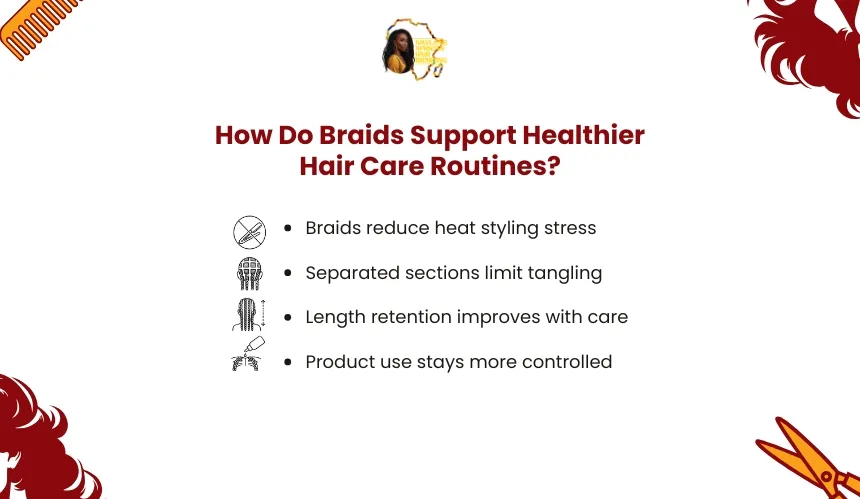
Braids can support a healthier routine when they are installed with proper tension and maintained with care. Their biggest value is that they allow the hair to rest from aggressive styling habits while still staying in a wearable form.
How Do Braids Limit Heat-Related Stress?
Once braids are installed, the style does not usually depend on daily straightening, curling, or blow-drying to look finished. This lowers repeated thermal exposure, which can weaken the cuticle, dry out the strand surface, and make hair feel rough over time.
A braid routine often relies more on wrapping at night, refreshing the scalp, and smoothing flyaways with gentle products. That shift can be especially helpful for hair that becomes brittle when exposed to frequent high-temperature styling.
How Can Braids Support Better Length Retention?
Healthy length retention depends on protecting both new growth and older ends from unnecessary wear. Braids keep sections separated, which lowers tangling, snagging, and end-to-end rubbing during regular activities.
This does not mean braids automatically make hair grow faster. Instead, they help keep existing growth from being lost too quickly when the style is installed with proper tension, maintained carefully, and removed before buildup or matting develops.
Do You Know? According to NCBI Bookshelf, healthy hair grows about 0.35 mm per day, which equals around 0.5 inches per month or 6 inches per year. It also notes that about 85% to 90% of hair follicles are in the growth phase at any given time. This makes length retention especially important because protective styling does not speed up growth, but it can help reduce avoidable breakage when installed and maintained correctly. |
How Do Braids Help With Product Control?
Braids make it easier to avoid overusing styling products because the hair already has a set shape. Instead of applying heavy creams, gels, or heat protectants every day, the routine can stay focused on small, targeted applications.
This helps reduce product layering on the hair shaft. A lighter routine can prevent dullness, stickiness, and unnecessary residue, especially when the goal is to keep the hair protected without weighing the style down.
What Should You Consider When Choosing Braids For Each Season?
The best braided style depends on how the hair responds to tension, climate, movement, and upkeep. Choosing the right braid pattern helps prevent discomfort while making the style more suitable for the season and the wearer’s routine.
How Do Hair Texture And Scalp Sensitivity Affect Braid Choice?
Hair density, strand thickness, curl pattern, and scalp tolerance should guide the braid size and installation method. Fine hair, thinning areas, delicate edges, or a tender scalp usually respond better to smaller amounts of added hair, softer parting, and low-tension techniques.
For thicker or coarser textures, the braid choice may depend more on weight distribution and section balance. A skilled braider should avoid tight pulling at the roots, because excessive tension can lead to soreness, bumps, edge stress, or traction-related damage.
Do You Know? According to a review published in Clinical, Cosmetic and Investigational Dermatology, traction alopecia affects about one-third of women of African descent who wear prolonged traumatic hairstyles. This supports the need for low-tension braid choices, especially around the edges, nape, and hairline. |
How Should Seasonal Activities Influence Your Braid Style?
Lifestyle matters because different seasons often bring different routines. Swimming, gym sessions, beach trips, school schedules, outdoor events, and travel can all affect how practical a braid style feels after installation.
For high-activity periods, secure braid patterns with less loose extension hair may be easier to rinse, dry, and refresh. For slower seasons or event-heavy months, longer or more detailed braided looks may be a better fit because they can support more styling variety without frequent salon visits.
How Long Should You Keep Seasonal Braids In?
The right braid style should match the amount of upkeep the wearer can realistically manage. Smaller braids may take longer to install but can hold their finish longer, while larger braids may be quicker to complete but may need earlier refreshing around the roots and edges.
Style duration should also account for scalp buildup, new growth, frizz, and comfort. Keeping braids beyond the recommended timeframe can make takedown harder and increase the risk of tangling near the roots, especially when sweat, products, or seasonal dryness are involved.
How Can You Keep Braided Hairstyles Looking Good In Every Season?
Braids stay fresher when aftercare matches daily exposure, weather conditions, and scalp needs. A simple maintenance routine can preserve the shape, reduce visible wear, and keep the style comfortable from installation to takedown.
What Nighttime Routine Helps Braids Stay Neater?
Night care protects the finish of the braid pattern while the head moves against bedding. Covering the hair before sleep helps maintain smoother roots, cleaner part lines, and more controlled edges the next morning.
A satin-lined cap, soft scarf, or smooth pillow surface can limit rough contact that causes braid fuzz, loose strands, and dull-looking ends. For longer braids, gathering them loosely before covering also prevents bending, pulling, or pressure at the roots overnight.
How Should You Refresh Braids Between Wash Days?
Refreshing braids should focus on visible freshness and scalp comfort without disturbing the braid base. A clean cloth, scalp mist, or gentle no-rinse cleanser can help remove surface sweat around the parts after workouts or hot days.
The key is to avoid soaking the roots too often, because excess moisture can loosen the braid pattern and make the style age faster. Light touch-ups around the hairline and part lines usually keep the look cleaner without disrupting the full installation.
What Signs Show Braids Are Past Their Best Stage?
Braids are usually past their best stage when the roots look heavily grown out, the part lines lose definition, or the style no longer looks fresh even after touch-ups. At that point, the issue is not just appearance but how much the natural hair has shifted underneath the style.
Removal should happen before the braids become difficult to separate cleanly. Taking them down at the right time helps preserve the natural hair’s condition and makes the next wash, detangling session, or braid appointment much easier.
Do You Know? The American Academy of Dermatology notes that it is normal to shed between 50 and 100 hairs a day. This is useful for braided styles because shed hairs can remain trapped inside the braid pattern until takedown, making normal shedding look more dramatic when braids are removed. |
For a braided style that feels comfortable, polished, and season-ready, AmyLove offers thoughtful braid services designed around your hair type, scalp comfort, and lifestyle. Whether you want a lightweight everyday look or a fuller protective style, AmyLove helps create braids that look beautiful while supporting easier care between appointments.
Frequently Asked Quetions
How should I prepare my hair before getting braids?
Hair should be washed, detangled, stretched, and lightly moisturized before a braid appointment. A clean scalp helps the style last longer, while detangled strands reduce pulling during installation. Avoid heavy oils or thick creams right before braiding because product buildup can make parts less clean and shorten style freshness.
Are knotless braids better than traditional box braids for sensitive scalps?
Knotless braids are often more comfortable for sensitive scalps because they begin with natural hair and gradually feed in extensions. This creates less immediate root pressure than traditional box braids. However, the safest choice still depends on braid size, extension weight, edge condition, and the braider’s tension control.
Can braided hairstyles cause hair loss if worn often?
Braids can contribute to hair loss when they are installed too tightly, kept in too long, or repeatedly placed under tension around the hairline. The risk increases with heavy extensions, small sections, and frequent back-to-back installs. Proper spacing between styles and low-tension techniques helps protect the scalp.
How often should I wash my hair when wearing braids?
Braided hair can usually be cleansed every two to three weeks, depending on sweat, scalp oil, workouts, and product use. Focus on the scalp rather than aggressively rubbing the braid lengths. A diluted shampoo or scalp cleanser can remove residue while reducing the chance of frizz and root loosening.
What braid style lasts the longest with the least touch-ups?
Smaller box braids, knotless braids, and well-installed feed-in styles often last longer because the sections are more secure and the finish holds better. Very large braids may be quicker to install, but they can show new growth faster. Longevity depends on scalp care, sleeping habits, and activity level.