Best Protective Hairstyles for Winter in Washington DC
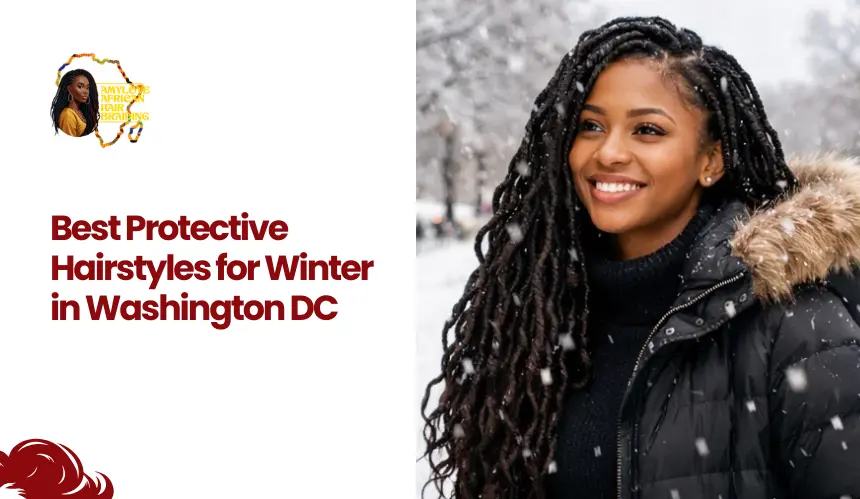
A Quick Answer: The best protective hairstyles for winter in Washington DC include braids, twists, buns, and carefully installed wigs or extensions, as these styles effectively shield hair from cold winds, low humidity, and indoor heating while minimizing daily manipulation. Box braids, two-strand twists, high buns, and cornrows are particularly effective for natural hair, as they protect the ends, retain moisture, and reduce breakage. Wigs and sew-in extensions offer full coverage, allowing versatility without exposing natural hair to harsh winter elements. |
Washington DC winters pose unique challenges for hair health. The combination of cold outdoor temperatures, dry indoor air, and fluctuating humidity can accelerate hair dryness, brittleness, and scalp irritation. Without protective styling, hair becomes prone to breakage, split ends, and tangling, especially for curly and coily textures.
Choosing the right winter hairstyle is therefore essential not only for maintaining hair health but also for making daily care manageable and stress-free. This guide will explore the top protective hairstyles suited for winter in Washington DC and provide detailed care strategies for each style.
Why Protective Hairstyles Matter in Winter
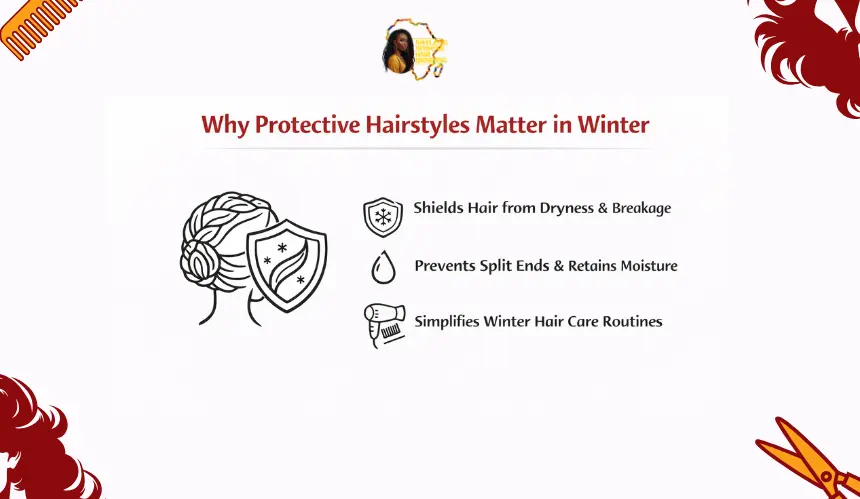
Winter in Washington DC can leave hair dry, brittle, and prone to breakage due to cold winds and low indoor humidity. Protective hairstyles, such as braids, twists, buns, and wigs, shield hair from these harsh conditions while reducing daily manipulation.
By tucking ends away and minimizing friction, these styles help retain moisture, prevent split ends, and maintain scalp health.
Beyond protection, these hairstyles simplify winter hair care routines. They reduce detangling, minimize heat styling, and allow hair to remain manageable and strong throughout the season.
For natural and textured hair, protective styles are a practical and essential strategy for maintaining healthy, resilient hair during the colder months.
Top Protective Hairstyles for Winter
Did you know? In Washington DC, January temperatures average around 44.8°F for highs and 30.1°F for lows, and winter storms like Nor’easters often bring strong northeast winds. This combination increases dryness and friction on exposed hair, highlighting the importance of protective hairstyles that tuck ends away, retain moisture, and shield hair from harsh winter elements. |
Selecting the right protective hairstyle is essential for maintaining healthy, manageable hair during Washington DC winters.
The best styles combine hair protection, moisture retention, and low maintenance, while allowing flexibility for styling. Below are the top options suited for cold weather conditions.
1. Braids
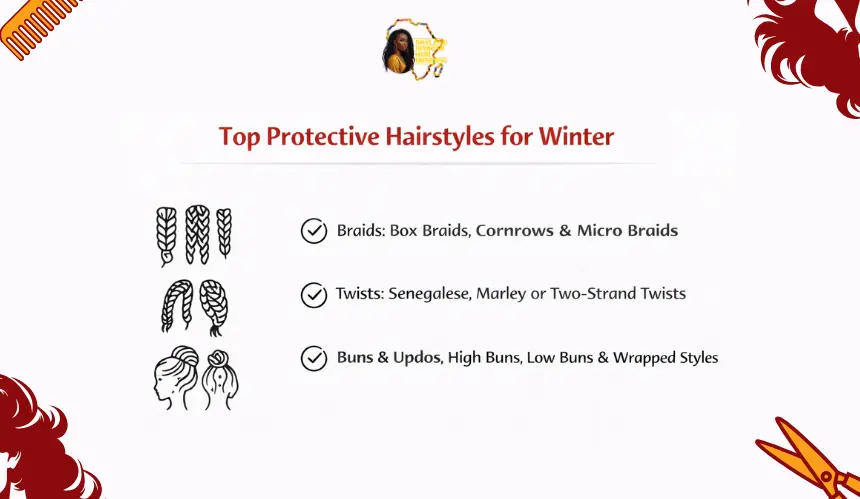
Braids are one of the most effective protective styles for winter. Box braids, cornrows, and micro braids keep hair ends tucked away, reduce daily manipulation, and protect the scalp from cold winds. They also allow for versatile styling options, from updos to ponytails.
To maintain moisture, apply lightweight oils to the scalp and avoid overly tight braiding, which can cause tension and breakage.
2. Twists
Twist styles, including two-strand twists, Senegalese twists, and Marley twists, provide a flexible, protective option that minimizes tangling and breakage. They are gentle on natural and textured hair while allowing hair to retain moisture under low-humidity winter conditions.
Applying a hydrating twist cream or leave-in conditioner helps prevent frizz and keeps hair nourished throughout the season.
3. Buns and Updos
Buns and updos, such as high buns, low buns, and wrapped updos, protect hair ends from cold and friction while offering a professional, polished appearance.
These styles reduce the need for daily manipulation and keep hair compact. For optimal protection, secure hair with silk or satin accessories and avoid tight elastics that can stress strands.
4. Wigs and Extensions
Wigs and extensions offer full coverage for natural hair, shielding it completely from winter elements. They are especially useful for versatility and style experimentation without exposing hair to frequent styling or harsh environmental conditions.
Maintaining protective styles under wigs with braids or cornrows and moisturizing the scalp regularly ensures hair stays healthy.
Essential Winter Hair Care Tips for Protective Styles
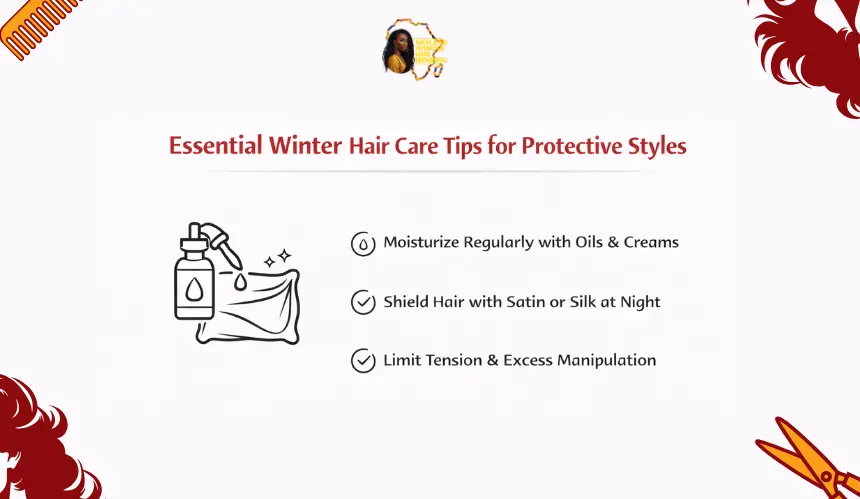
Protective hairstyles alone are not enough to maintain healthy hair during Washington DC winters. Daily care and proper maintenance routines are essential to keep hair moisturized, strong, and resilient throughout the season.
1. Moisturize Regularly
Winter air and indoor heating strip hair of natural moisture, making it brittle and prone to breakage. Use lightweight oils, leave-in conditioners, or hydrating creams to keep both the hair and scalp nourished. Focus on the ends and scalp to maintain elasticity and prevent dryness.
2. Scalp Care Matters
A healthy scalp supports strong hair growth. Massaging the scalp with natural oils, such as argan or jojoba oil, promotes circulation and prevents dryness or flaking. Scalp hydration is particularly important for braided or twisted styles, where the scalp may be less exposed to water.
3. Nighttime Protection
Protective styles benefit greatly from nighttime care. Cover hair with a satin or silk scarf or bonnet and use silk pillowcases to reduce friction. This simple step preserves moisture and prevents frizz, maintaining the integrity of braids, twists, buns, and extensions.
4. Avoid Excessive Manipulation
Even with protective styles, frequent touching, styling, or tight hair adjustments can lead to breakage. Limit manipulation, keep styles secure but comfortable, and rotate styles when necessary to reduce tension on hair strands and edges.
5. Gentle Cleansing
Wash protective styles as needed using a mild, sulfate-free shampoo. Focus on rinsing thoroughly and following with a moisturizing conditioner to prevent dryness. Avoid over-washing, which can remove natural oils critical for winter protection.
Choosing the Right Protective Style for Your Hair Type in Winter
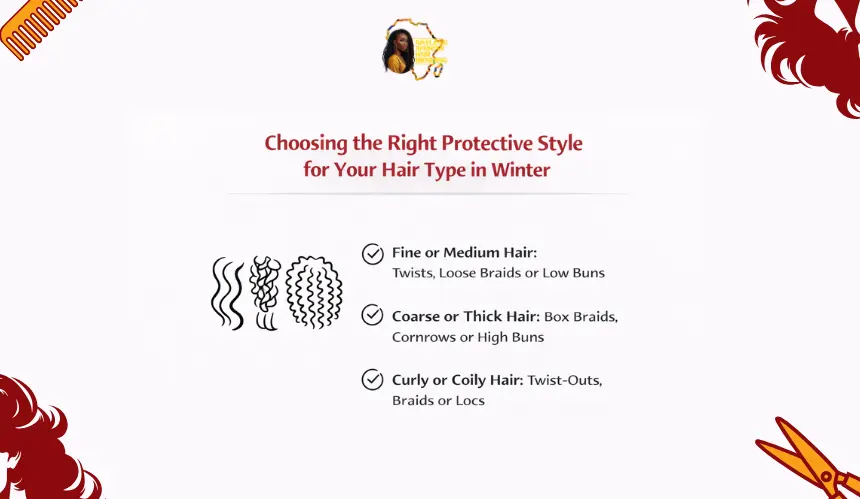
Not all protective hairstyles work equally well for every hair texture or density. Choosing a style that complements your natural hair type ensures optimal protection, reduces breakage, and makes winter hair care more manageable in Washington DC.
What Protective Styles Work Best for Fine or Medium Hair?
For fine or medium-textured hair, styles that distribute tension evenly, such as two-strand twists, loose braids, or low buns, are ideal. These styles prevent stress on delicate strands and minimize breakage, while keeping ends protected from cold winds and dry indoor air. Avoid overly tight braids or heavy extensions, which can pull on the scalp and cause thinning edges.
Which Styles Are Ideal for Coarse or Thick Hair?
Coarser hair types benefit from box braids, cornrows, or high buns, which offer strong protection while retaining moisture. These styles hold up well against fluctuating winter temperatures and reduce daily manipulation.
Incorporating twists under wigs or adding extensions provides additional versatility without compromising natural hair health.
How Should Curly and Coily Hair Be Styled?
Curly and coily textures thrive under twist-outs, braids, or locs, which maintain curl integrity while preventing tangling and shrinkage. Styles that keep ends tucked away and allow for scalp access make moisturizing easier and reduce the risk of dryness-induced breakage.
What Protective Styles Suit Wavy Hair?
Wavy hair can benefit from soft twists, loose buns, or protective updos, which reduce friction and maintain moisture levels without flattening natural wave patterns. These styles are lightweight, low-maintenance, and ideal for seasonal layering under hats or scarves.
Common Mistakes to Avoid With Protective Styles in Winter
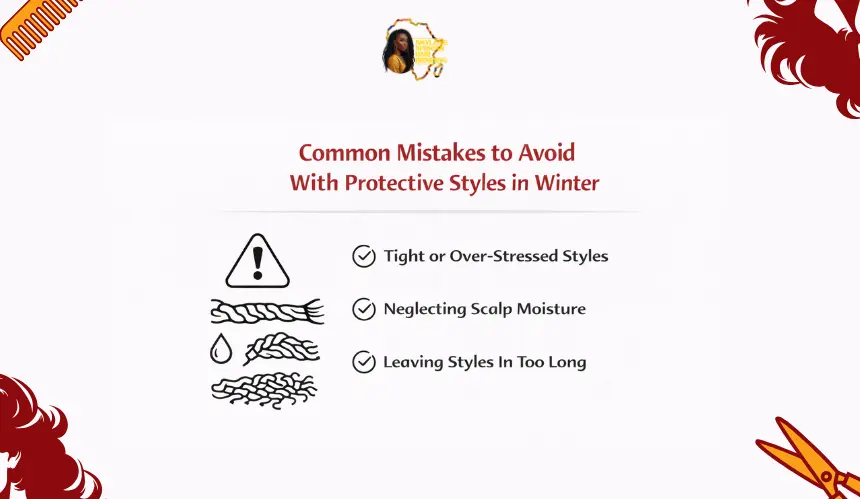
Even protective hairstyles can lead to damage if they are installed or maintained incorrectly. Avoiding these common mistakes ensures that hair stays healthy, strong, and resilient throughout the Washington DC winter season.
1. Tight or Over-Stressed Styles
Braids, twists, or buns that are installed too tightly can strain the scalp and hairline, causing breakage and thinning edges. Protective styles should feel secure but comfortable. Give hair regular breaks between styles to reduce tension and prevent stress on follicles.
2. Neglecting Scalp Moisture
Protective styles can make the scalp less accessible, which may result in dryness and flaking if not moisturized properly. Regularly apply lightweight oils or hydrating sprays to keep the scalp nourished and prevent winter-related irritation.
3. Leaving Styles In Too Long
Keeping braids, twists, or extensions in beyond their recommended duration increases the risk of matting, breakage, and tangling. Refresh or remove styles based on your hair’s growth and texture, giving hair time to rest between installations.
4. Over-Manipulation of Styles
Frequent touching, re-braiding, or styling can weaken hair strands even within protective styles. Limiting daily manipulation helps preserve moisture, maintain curl integrity, and prevent friction that leads to split ends or frizz.
5. Using Harsh Products
Alcohol-based gels, strong shampoos, or heavy waxes can dry out hair and scalp, negating the benefits of protective styling. Choose sulfate-free cleansers, lightweight moisturizers, and gentle styling products that support hydration and natural hair health.
Seasonal Styling Tools and Products to Enhance Protective Hairstyles
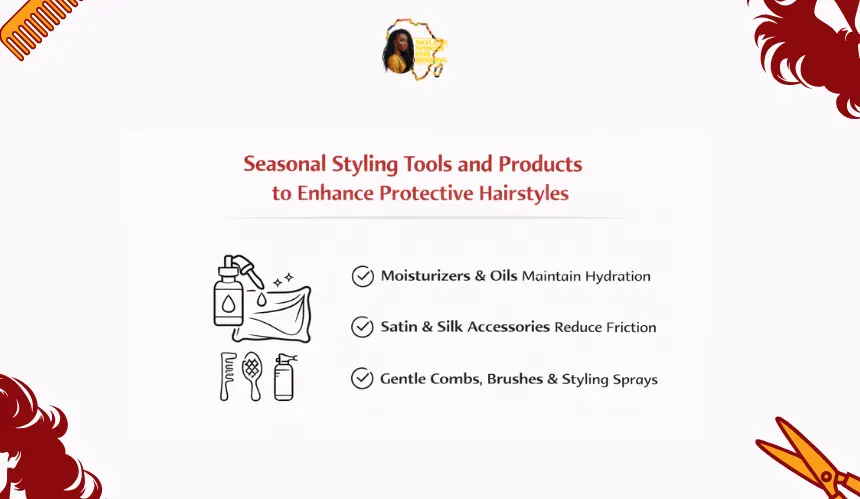
Maintaining protective hairstyles during Washington DC winters requires the right tools and products to preserve moisture, prevent breakage, and extend style longevity. Using the proper items ensures hair stays healthy and manageable throughout the cold season.
Moisturizers and Oils to Keep Hair Hydrated
Hydration is key in winter. Use lightweight leave-in conditioners, hair creams, and natural oils such as argan, jojoba, or shea butter to keep hair soft and prevent dryness. Focus on applying these products to both the scalp and the ends of hair to maximize moisture retention.
Satin and Silk Accessories to Protect Styles
Satin and silk items are essential for reducing friction and maintaining style integrity. Scarves, bonnets, and pillowcases help prevent frizz and retain moisture overnight. These accessories are especially useful for braids, twists, buns, and extensions, ensuring styles last longer without causing breakage.
Gentle Combs and Brushes for Safe Styling
Using the right styling tools preserves hair health during protective styling. Wide-tooth combs, soft brushes, and microfiber towels minimize tension and prevent frizz when detangling or drying hair. Avoid fine-tooth combs or rough towels that can snag or break strands.
Lightweight Styling Products for Hold and Flexibility
Heavy gels or waxes can cause buildup and dry out hair under protective styles. Opt for hydrating gels, curl creams, or lightweight sprays that support hold while keeping hair soft and flexible. These products enhance style definition without compromising moisture levels.
Daily Maintenance Sprays and Treatments
In addition to routine hydration, consider water-based moisturizing sprays or light daily treatments to refresh protective styles throughout the day. This helps maintain pliability and prevents winter-induced brittleness, keeping braids, twists, and buns smooth and manageable.
Keep your hair healthy, stylish, and fully protected this winter with the right protective hairstyles. At AmyLove African Hair Braiding, our expert stylists specialize in braids, twists, buns, and extensions tailored to your hair type and winter needs. Book your appointment today and give your hair the care it deserves while staying effortlessly beautiful all season long.
Frequently Asked Questions
Can protective hairstyles help prevent winter hair loss?
Yes. Protective styles reduce daily manipulation, friction, and breakage, which are common contributors to seasonal hair shedding. By minimizing stress on the scalp and ends, these styles can help retain hair density during cold months.
Are there specific hair treatments recommended before installing protective styles in winter?
Applying a moisturizing deep treatment or protein-based mask before styling strengthens strands, improves elasticity, and locks in hydration, making hair more resilient to winter dryness and breakage.
How can I keep my scalp refreshed under wigs or extensions during cold weather?
Use a lightweight scalp mist or oil to prevent dryness and flaking. Gentle massage improves circulation, while avoiding heavy products ensures wigs or extensions remain comfortable and breathable.
Are short protective styles effective for winter hair care?
Absolutely. Shorter styles like mini twists or cropped updos reduce exposure to cold, allow easy moisturization, and are ideal for hair that needs frequent care while staying low-maintenance.
Can protective hairstyles be worn safely with hats and scarves?
Yes. Styles like buns, braids, and twists pair well with winter accessories. Using satin or silk linings under hats and scarves prevents friction, protects ends, and preserves the style’s longevity.
Do seasonal changes affect hair growth while in protective styles?
Seasonal shifts, such as lower winter humidity, can slow hair growth slightly if moisture levels aren’t maintained. Protective styles combined with consistent hydration and scalp care help maximize growth potential and reduce breakage during winter months.